
The modern player expects speed, clarity, and control. That is exactly what mobile felt casino UX delivers when done right. At the Jackpot Jill No Deposit Bonus Casino, this experience becomes especially important for fast-paced players who switch between tables often. Smooth navigation can directly affect how confidently you play.
In 2026, mobile casino users are no longer casual tap-and-go visitors. Instead, they multitask across multiple tables while tracking bonuses, spins, and payouts. Therefore, understanding mobile felt casino UX is key to improving both performance and enjoyment.
This review focuses on how multi-table gameplay behaves on mobile browsers. It also explores frame toggling, split-screen limitations, and touch responsiveness in real gameplay scenarios.
Before diving deeper, players often compare offers and gameplay flow through trusted guides like online casino bonuses. This helps set expectations for bonus structure and mobile usability before committing to longer sessions.
However, once inside the platform, the real challenge begins. Managing multiple felt tables on a small screen is not as simple as it sounds.
Core Experience
The core of mobile felt casino UX lies in how smoothly the interface adapts to player actions. Jackpot Jill No Deposit Bonus Casino focuses heavily on browser-based stability, which matters for real-money sessions.
Moreover, mobile users expect instant transitions. When switching tables, delays of even one second can feel disruptive. Fortunately, modern optimization reduces these interruptions.
Key UX expectations include:
- Instant table switching without reloads
- Stable game frames under heavy load
- Clear visual separation between active tables
- Responsive touch feedback
However, not all devices handle these demands equally. Entry-level smartphones often struggle with frame stacking. Therefore, optimization becomes essential for smooth play.
Additionally, players often underestimate how memory-heavy multiple tables can become. Each active felt adds processing demand. As a result, the UX must prioritize lightweight transitions.
Toggling Active Game Frames Smoothly
Toggling between game frames is one of the most critical elements of mobile felt casino UX. In multi-table play, speed matters more than visual detail.
When switching active tables, the system must maintain:
- Session continuity
- Bet history accuracy
- Real-time animations
- Stable audio transitions
However, problems arise when multiple frames compete for attention. Some mobile browsers throttle background activity. Therefore, inactive tables may pause or refresh unexpectedly.
Moreover, smooth toggling depends on optimized caching. Without it, players experience reload delays. That disrupts flow and reduces engagement.
In practice, the best systems prioritize the active table while temporarily freezing others. This reduces CPU load and improves responsiveness.
As a result, mobile felt casino UX becomes more predictable. Players can focus on decisions instead of technical delays.
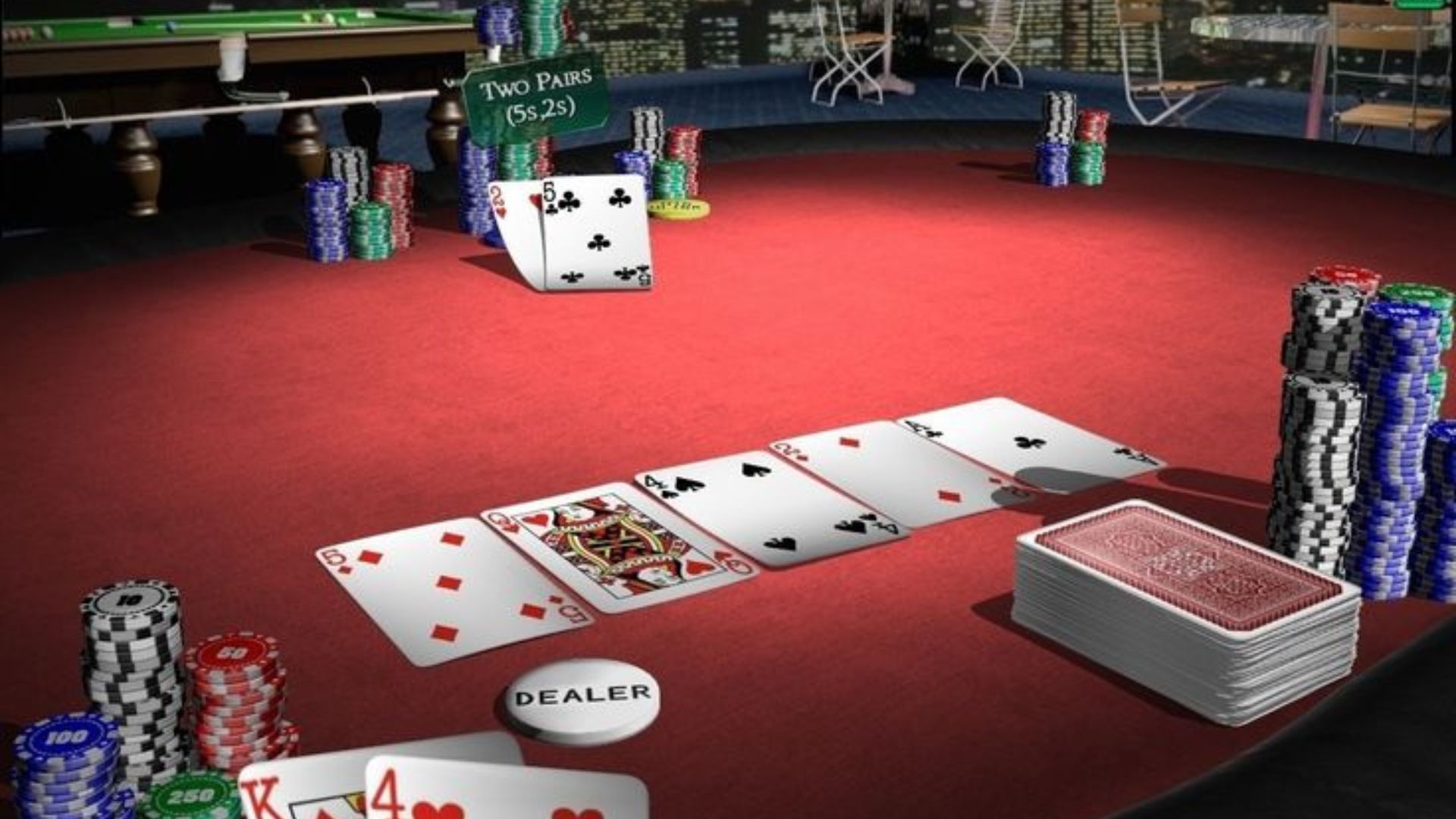
Touchscreen Multitasking Limits on Browsers
Touchscreen multitasking is where most mobile casino experiences begin to strain. Even advanced devices face limitations when multiple felt tables run simultaneously.
The main constraints include:
- Limited screen space for multiple tables
- Finger input overlap during fast switching
- Reduced visibility of small UI elements
- Gesture conflicts between tabs
Therefore, mobile felt casino UX must carefully balance interaction density. Too many active panels can overwhelm users quickly.
Moreover, browser-based casinos cannot fully replicate desktop multitasking. Unlike PCs, mobile browsers restrict background processing. As a result, only one or two tables remain truly responsive at any time.
However, smart UI design helps mitigate these issues. For example, adaptive resizing ensures only the active table is fully expanded. Meanwhile, inactive tables collapse into minimal view cards.
Additionally, vibration or haptic feedback can guide user attention. This subtle reinforcement improves decision speed without cluttering the interface.
Ultimately, successful mobile felt casino UX respects the natural limits of touchscreen devices.
Split-Screen Stability and Performance
Split-screen gameplay is a popular but demanding feature. It allows players to monitor multiple tables at once. However, stability becomes a major concern.
In mobile felt casino UX, split-screen performance depends on:
- Device RAM capacity
- Browser rendering efficiency
- Animation load balancing
- Network stability
When optimized correctly, split-screen mode enhances strategic play. Players can compare outcomes across tables instantly. However, if poorly implemented, it causes lag spikes and frame drops.
Moreover, mobile operating systems often prioritize foreground apps. Therefore, split-screen casino tabs may lose refresh priority. This results in delayed updates or frozen visuals.
To counter this, developers use lightweight rendering modes. These reduce animation complexity while preserving core game data.
Additionally, adaptive refresh rates help maintain smooth visuals. This ensures that even lower-end devices can handle multi-table sessions without crashing.
In conclusion, split-screen usability defines the quality of mobile felt casino UX more than any other feature.
Real Player Strategy and Flow Control
Beyond technical design, mobile felt casino UX directly impacts player strategy. Multi-table users rely on quick decision-making and constant observation.
Therefore, UX clarity becomes a competitive advantage.
Experienced players often:
- Prioritize one “main” table for focus
- Use secondary tables for low-risk spins
- Monitor timing gaps between rounds
- Avoid overloading the screen with active bets
Moreover, flow control is essential. If transitions feel sluggish, players lose rhythm. That affects both engagement and bankroll management.
However, when the UX is optimized, multi-table play becomes highly efficient. Players can rotate attention seamlessly and maintain consistent betting patterns.
This is where Jackpot Jill No Deposit Bonus Casino stands out. Its mobile structure supports controlled multitabling without overwhelming the user.
As a result, mobile felt casino UX becomes not just a design feature but a gameplay advantage.
Performance Optimization for Faster Sessions
Performance is the backbone of every mobile casino experience. Without it, even the best design fails.
In mobile felt casino UX, optimization focuses on three pillars:
- Speed
- Stability
- Responsiveness
Speed ensures instant transitions between tables. Stability prevents crashes during peak load. Responsiveness guarantees accurate touch recognition.
Moreover, caching plays a critical role. By storing session data locally, the system reduces server dependency. This improves load times significantly.
However, network fluctuations can still affect performance. Therefore, adaptive buffering systems are often used to smooth gameplay interruptions.
Additionally, lightweight animations help preserve battery life. This matters during long sessions where multiple tables remain active.
Ultimately, optimized mobile felt casino UX ensures that players spend more time playing and less time waiting.
Final Verdict on Jackpot Jill Experience
Jackpot Jill No Deposit Bonus Casino delivers a functional and modern approach to mobile casino design. While not perfect, its mobile felt casino UX is stable and intuitive.
Multi-table gameplay works best when users understand device limitations. However, the platform does a strong job of balancing performance and usability.
Key strengths include:
- Smooth table switching
- Reliable session tracking
- Clean mobile interface
- Practical multitasking support
However, limitations still exist in split-screen heavy usage and older devices. Even so, the overall experience remains competitive.
For players focused on fast interactions and bonus-driven gameplay, this platform provides a solid foundation.
In summary, mobile felt casino UX here is designed for real-world mobile behavior, not unrealistic desktop replication. That makes it both practical and effective.
Author
Written by Winfred